Plumbing Trouble? Start Here
A pipe is spraying. A toilet is rising. A drain has stopped and the water has nowhere to go. You need a plan, not a lecture.
Noticedslight Plumbing is a referral service for homeowners in Dallas, TX, and the Dallas area. We do not do the plumbing work. We connect you with independent local providers in our network who handle emergency plumbing, emergency drain clearing, and sewer line repair.
Here is how it works. You describe the problem in the request form. A local provider reviews the details, talks through the job with you, and gives you an estimate. You decide whether to hire them. There is no obligation to accept.
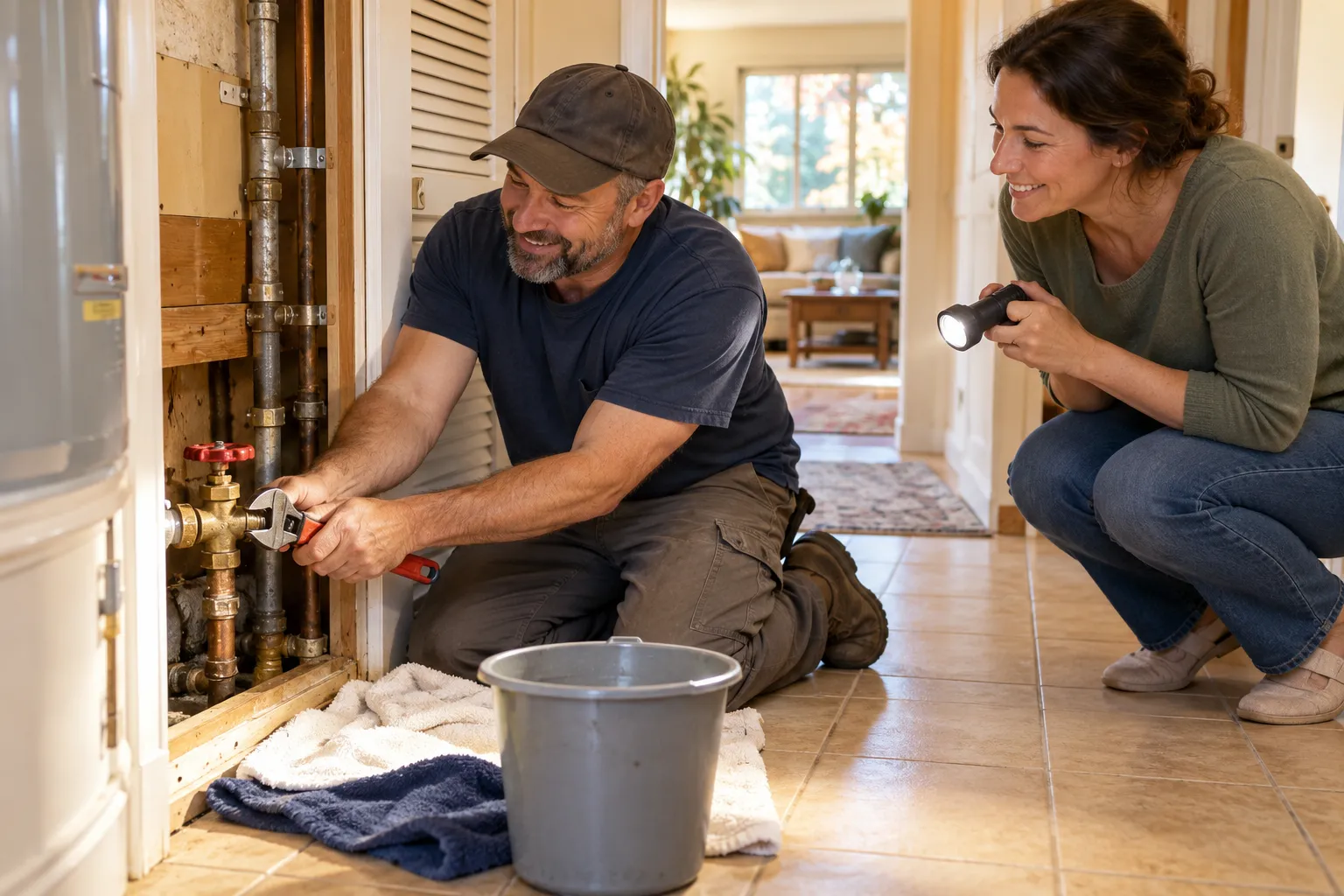
While you wait, do the first few things. Shut off the water. Stop using the fixture. Move valuables out of the wet area. Take a few photos. These steps limit damage and give the provider a clear picture before arrival.
Start with an estimate request. If you would rather talk to someone, Request a callback to check provider availability. Hours differ from one provider to the next.
Get an Estimate
The rest of this page explains the process in plain terms, so you know what to expect before anyone knocks on your door.
How Noticedslight Plumbing Works
What we do and what we do not
Noticedslight Plumbing is a go-between. We take your request and route it to independent providers who work in your part of TX. The provider sets the price, schedules the visit, and does the work. Noticedslight Plumbing does not.
That split matters. You should know who is responsible for the job. It is the provider you choose, not us.
Three steps
- Describe it. Say what is happening, where the water is, and whether you have shut it off.
- Get matched. A local provider from our network reviews your request and responds with questions or an estimate.
- Decide. Compare what you hear. Hire the provider you are comfortable with, or none at all.
Why a referral service helps in a crisis
When water is on the floor, searching through dozens of listings is a poor use of time. One request can reach a provider who already handles this kind of job in your area. Many providers can respond quickly, but timing depends on their schedule and the weather.
What providers handle
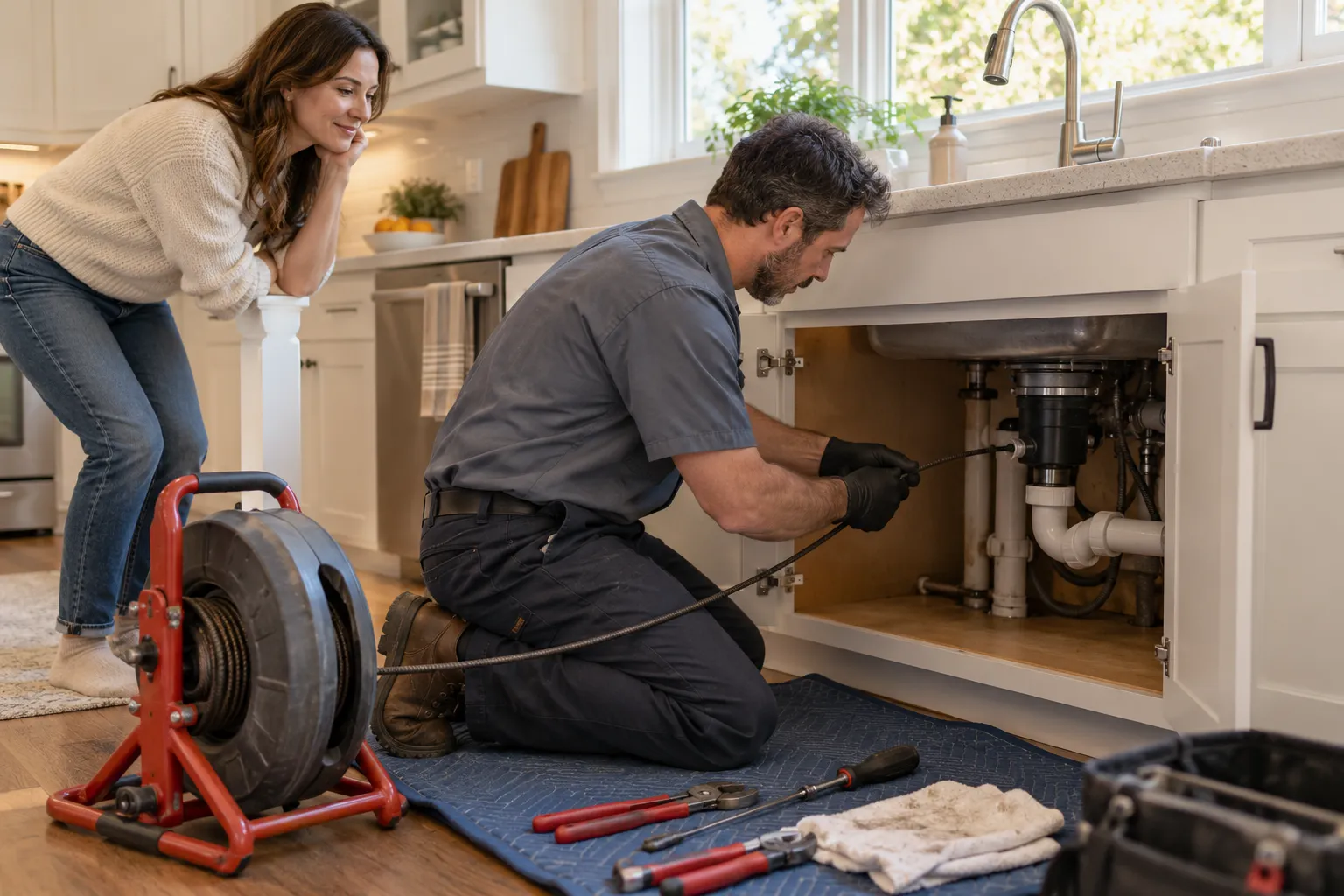
The providers in our network cover the two jobs this site focuses on. Emergency plumbing includes burst or leaking pipes, failed water heater connections, and overflowing fixtures. Drain cleaning includes blocked pipe services, clogged sinks and tubs, and main line stoppages. Some providers also offer camera inspection and sewer line repair when a drain problem turns out to be deeper.
Fix it, then keep it fixed
A good repair is only half the job. After the work is done, ask the provider what caused the problem and what to watch for. We include simple maintenance notes on this site so the same problem is less likely to come back.
Serving Dallas and Nearby
Noticedslight Plumbing covers Dallas and the Dallas area. Local conditions shape the plumbing problems homeowners see here, so it helps to know them.
Summers are hot and humid. Attics get very hot, and that heat can stress supply lines and fittings over time. Heavy downpours and tropical storm season push stormwater into yards and low spots. When the ground is saturated, main sewer lines can back up or show root and shifting damage.
Many homes in the area are slab-on-grade ranches with brick or vinyl siding. Pipes under a slab are hard to reach. A leak there may show up as a warm spot on the floor, a high water bill, or the sound of running water when everything is off. Older pier-and-beam houses have crawl space plumbing that is easier to access but more exposed to moisture and pests.
Winters are mild, but a rare hard cold snap can still crack exposed pipes. Outdoor spigots and attic lines are the usual weak points.
If you live anywhere in the service area, a local provider can look at your situation. Send the details and ask for an estimate.
Get an Estimate
Provider coverage varies by neighborhood and by day. The request form is the quickest way to find out who is available near you.
Calm Steps for Your First Hour
Step 1: Stop the water
Find the shutoff valve for the fixture first. It is usually under the sink or behind the toilet. Turn it clockwise until it stops. If you cannot find it, or the leak is in the wall, shut off the main valve. Most homes have one near the water meter, at the street side of the house, or where the line enters the garage or utility room.
Step 2: Make the area safe
Water and electricity do not mix. If water is near outlets, appliances, or the breaker panel, stay away and turn off power at the panel only if you can reach it without standing in water. If you cannot do that safely, leave the area and call your utility.
Step 3: Limit the damage
Move rugs, boxes, and furniture off wet floors. Use towels or a wet vacuum on standing water. Open windows if the weather allows. In humid weather, moisture lingers, so drying fast matters.
Step 4: Document everything
Take photos and short videos of the source and the damage. Write down the time you noticed the problem. Providers can often help document damage for a claim. Some policies may cover sudden damage, so check your policy and ask your insurer what it requires.
Step 5: What to tell the provider
Keep it short. Say where the water is coming from, whether you shut it off, how old the home is, and whether it sits on a slab or a raised foundation. For drains, say which fixtures are slow or backed up.
What it may cost
Prices vary by job, home, and time of day. As a rough U.S. guide, drain clearing often runs from about $100 to $400 for a single drain. Pipe repairs commonly range from a few hundred dollars to over $1,500. Sewer line repair can run from about $1,000 to $5,000 or more. Always ask for a written quote before work starts.
Blocked drains and sewer warnings
One slow sink is usually a local clog. Several fixtures backing up together, gurgling sounds, or sewage smells point to the main line. Do not run water, and do not use harsh chemical cleaners, which can harm pipes and are hard on anyone who works on them next.
After the repair: keep it from coming back
Ask the provider to explain the cause in plain words. Then build a short routine. Keep grease, wipes, and paper towels out of drains. Know where your main shutoff is. Check outdoor spigots before a cold snap. Watch low spots in the yard after storms. Schedule a drain or line inspection if backups repeat.
Request an Estimate
Tell us what is happening and where. Include a few details: the fixture, whether the water is off, and the type of foundation. A local provider can then follow up with questions and an estimate.
Get an Estimate
Prefer to talk first? Request a callback to check provider availability. You can also email contact@noticedslight.garden. Sending a request does not commit you to hiring anyone.